Dover to Calais Ferry FAQs
Do Operators Charge Different Prices?
Yes, but usually by £10–£30 on the same day, depending on timing and availability.
- Cheapest: very early morning and late-night sailings
- Most expensive: peak-hour departures on Friday afternoons and Sunday evenings in summer
Shopping across all three operators, rather than going directly to one, is the easiest way to find the best fare for your travel dates.
What’s included (and what costs extra)?
Standard fares cover the car and all passengers. Extras vary by operator:
- Priority boarding first on, first off (worth it in peak season)
- Premium lounges with food and drink included
Foot passenger travel: currently, P&O Ferries is the main option on this route; pre-booking is essential as places are limited
Where is the ferry terminal at Dover?
The Port of Dover ferry terminal is located just off the A20 in Dover. By car, follow the boat signs to the ‘Eastern Docks’ – all three operators, P&O, DFDS and Irish Ferries, are found here. Use postcode CT16 1HZ for your sat nav. For foot passengers arriving by public transport, Dover Priory train station is just over 1 mile from the port.
Port of Dover – View Larger Map
Where is the ferry terminal at Calais?
The Calais ferry terminal (Port Boulogne) can be found just outside of Calais on the N216. From the main A16/E40 motorway, looks for the green signs to ‘Calais Port – Car Ferry’. Again, all three ferry operators can be found here. The entrance for foot passengers is by the ‘Cousteau’ bus stop and the free Balad’in shuttle bus runs from the centre of Calais to here roughly every 12-20 minutes.
Port of Calais – View Larger Map
How early should I arrive at Dover?
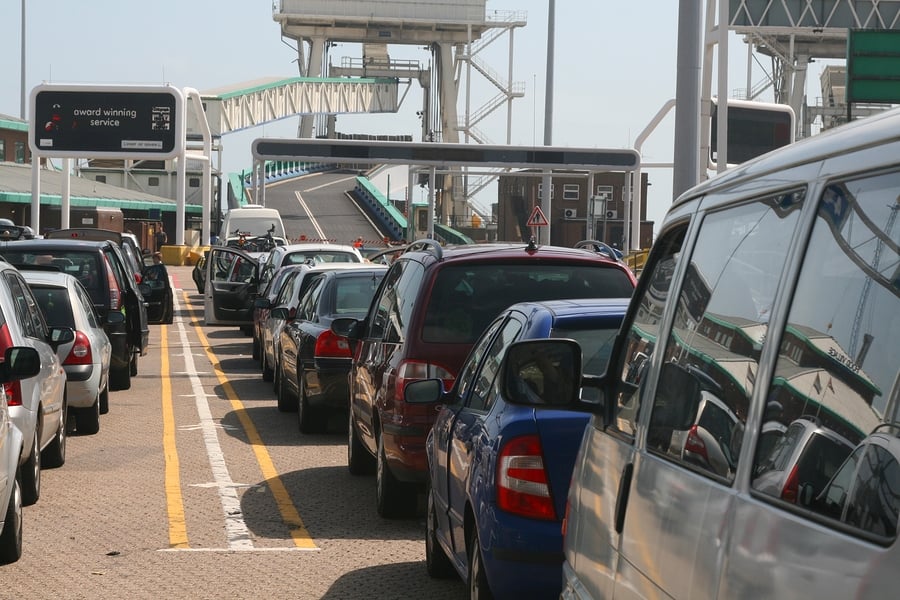
Check in times vary, from 45 minutes up to 90 minutes before the sailing. Check with your ferry operator for their specific minimum arrival time at the port.
- Vehicles: arrive 60–90 minutes before departure
- Check-in typically closes 45–60 minutes before sailing
- In peak summer, give yourself extra time; the port can get busy
What are the duty-free allowances when travelling between England and France?
Personal allowances for alcohol and tobacco when travelling to mainland Europe are much lower than they used to be when the UK was a member of the European Union. According to the UK Government website, you are currently allowed to bring the following into the UK without paying import VAT or duty:
- 200 cigarettes or 250g tobacco
- 18 litres of wine (24 bottles)
- 42 litres of beer
How long is the crossing from Dover to Calais?
Around 90–100 minutes, depending on the operator and conditions.
Which ferry companies sail from Dover to Calais?
DFDS, P&O Ferries, and Irish Ferries all operate this route.
Can I travel as a foot passenger?
Yes. P&O Ferries is currently the main foot passenger option on this route. You must pre-book; spaces are limited, and walk-up travel isn’t guaranteed.
Do I need a passport?
Yes. All passengers (including children) must carry a valid passport. EU ID cards are not accepted for UK residents.
Can I bring my pet?
Yes, all three operators allow pets, but the paperwork has changed since Brexit. GB-issued pet passports are no longer valid. You now need an Animal Health Certificate (AHC), issued by an Official Veterinarian within 10 days of your departure date. Your pet must also be microchipped and have a valid rabies vaccination administered at least 21 days before travel. Check requirements with your vet well in advance.
What’s on board the ferries?
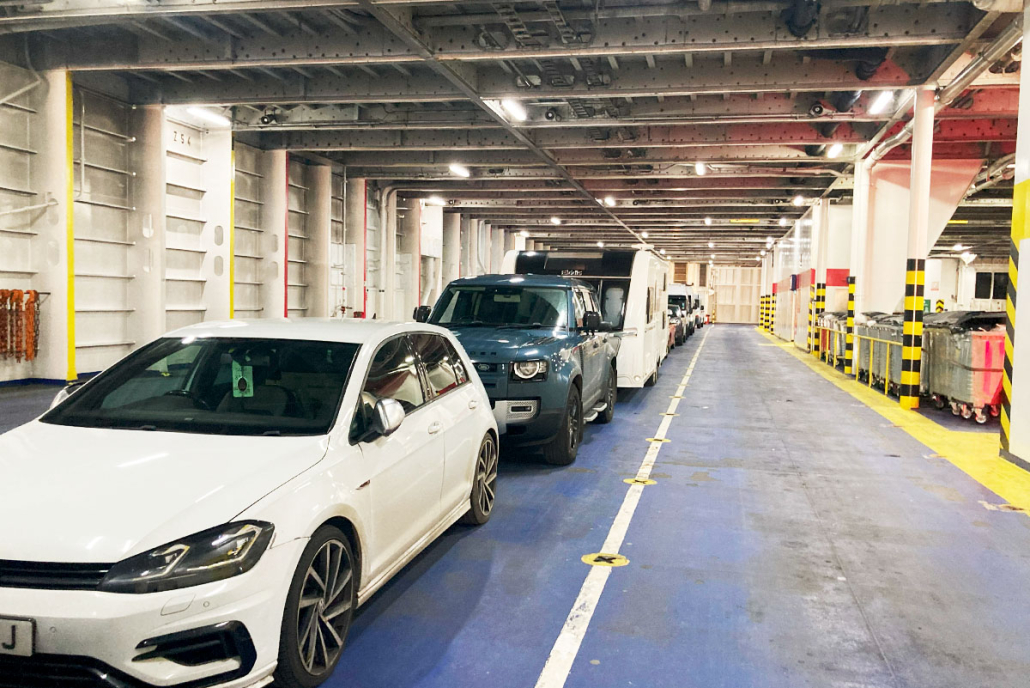
Restaurants and cafés, lounges, free Wi-Fi, outdoor decks, and duty-free shopping. Premium lounges are available on most vessels for an extra fee.
Is there parking at Dover?
Yes, Dover has both short- and long-stay car parks, plus several independent providers nearby which are often cheaper. Book in advance during the summer.
What documents do I need for my car?
- Valid driving licence
- Car insurance documents
- V5C logbook (or a letter of authorisation if you don’t own the vehicle)
- Headlamp beam deflectors and a reflective jacket are legally required in France

 Dover to Calais Ferry from £83: Prices, Times & Best Options (2026)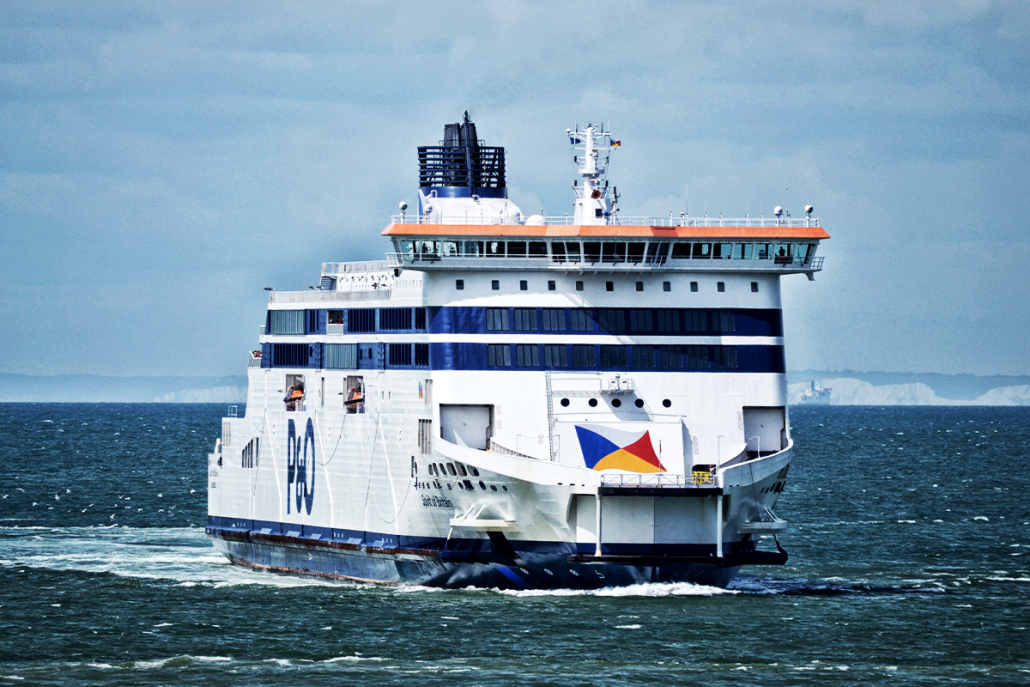
 Other Ferry Routes to France